


Injection Therapy Near Abingdon
Physiocare offers an injection therapy service close to Abingdon. Our experienced team trained both as registered Physiotherapists and with extended scope qualifications in the clinical use of Steroid and Ostenil (Hyaluronic acid) injections. We are pleased to offer this service to Abingdon and the surrounding areas.
We offer both Corticosteroid and Ostenil injections to treat a range of conditions. Our experienced clinicians can advise you of the most appropriate treatment for your condition.
Corticosteroid “steroid” Injections Near Abingdon
What is Corticosteroid “steroid” Injections?
Steroid injections are used to treat swollen or painful tissue and joints such as occur in arthritis and tendinitis. By helping to control inflammation and pain they make movement easier and enables a return to more normal function. There is extensive research showing that steroid injections provide improved and longer lasting pain control than standard oral medication.
Corticosteroids are well tolerated by the body and do not cause the typical side effects commonly associated with taking oral steroids or anabolic steroids.
What conditions are suitable for injection?
Steroid injections in Abingdon can be helpful in the treatment of arthritic joints such as the knee. It is also effective for:
- frozen shoulder
- carpal tunnel syndrome
- trigger finger
- localised soft tissue inflammation such as tendinitis and bursitis
Booking and Cost of Cortisone Injection Near Abingdon
To book a steroid injection call our normal reception 0118 934 4055 and ask to book an appointment for an injection close to Abingdon or Book Online.
If on the day the decision is made not to proceed with the injection you will only be charged the normal clinic assessment fee.
Steroid Injection cost near Abingdon (including cost of steroid):
- Single injection: £275.00
- Two injections: £525.00
Frequently Asked Questions
Please don’t hesitate to get in touch if you have any further or more specific queries – our receptionists will be only to pleased to help!
What are steroids?
Corticosteroids are manufactured versions of hormones that are produced by the adrenal glands.
How do cortisone injections work?
Cortisone injections reduce inflammation in the targeted area, alleviating pain and improving joint mobility. They contain corticosteroids, which modulate the immune response to decrease inflammation.
What are the drugs used?
The most commonly used steroid drugs are hydrocortisone. They are often administered with a local anaesthetic called Lidocaine.
How are they given?
The injection is given into your joint (intra articular injection). It is administered with a local anaesthetic called Lidocaine. This will give immediate pain relief, which will last a few hours and can help with diagnostic confirmation.
Are the cortisone injections painful?
You may notice increased joint discomfort immediately after the injection, but this should ease over the next few days. Evidence shows that ultrasound-guided injections are less painful than landmark-guided injections, as real-time visualisation allows more accurate needle placement, minimises tissue trauma, and reduces unnecessary needle manipulation.
How often can I receive cortisone injections?
Typically, cortisone injections are spaced several months apart to avoid any potential side effects of overuse. Your healthcare provider will recommend a schedule that’s safe and effective for your condition.
How soon will I feel relief after a cortisone injection?
This will depend upon the type of steroid used. The shorter acting soluble steroids begin to give relief within a couple of hours. The longer acting steroids may take up to a couple of weeks to become effective.
How long do the effects of cortisone injections last?
The effects vary by individual, but many patients experience relief lasting from several weeks to several months. For chronic conditions, your specialist may recommend repeat treatments.
Can I drive straight after the injection?
We recommend you arrange to have somebody collect you from the clinic following your injection. If this is not possible we suggest you wait in the clinic reception for 30 minutes before driving.
Are there any side effects?
There is a low incidence of side effects following a steroid injection and these may depend upon where the steroid is injected and what type of steroid you receive.
Adverse reactions may include:
- Pain or discomfort for a few days in the injected area.
- A flushed complexion
- Temporary bruising or a collection of blood under the skin
- A rise in blood sugar which is more likely for those with diabetes
- An infection causing redness swelling and pain
- Paler skin at the injection site
- Risk of tendon rupture
- Loss of fat at the injected area
- Anaphylaxis
Can I go straight back to work?
If you feel able to, it is fine to return to work immediately. However if your job is manually demanding you should aim to reduce your workload for a few days.
Can I drink alcohol?
Yes, there is no reason to avoid alcohol after receiving a steroid injection.
Can I have a steroid injection if I am taking other medication?
Yes however if you are taking anticoagulation drugs (a medication that thins your blood) you must inform your physiotherapist before proceeding with the injection as there may be a risk of increased bleeding. Careful planning regarding your dose and the timing of the injection can mitigate this risk.
What should I do if I have diabetes?
You should inform the physiotherapist prior to your injection and carefully monitor your insulin levels for 48 hours following a steroid injection.
Will I still need to do my exercises?
Yes, it is important that you continue with the exercises prescribed by your physiotherapist.
Is ultrasound guidance necessary?
Ultrasound guidance ensures accurate needle placement within the joint, improving safety and treatment effectiveness.
What should I expect after the procedure?
After the procedure, some individuals may experience temporary numbness or mild soreness at the injection site. You’ll be able to go home the same day and resume most of your regular activities soon after. However, strenuous activity may need to be limited for a day or two as advised by your healthcare provider.
Who should avoid facet joint injections?
Can I have facet joint injections if I’m already on pain medication?
Many individuals on pain medication can receive facet joint injections, but it’s essential to discuss all medications with your healthcare provider. In some cases, adjustments may be needed to ensure safety and effectiveness.
How do I prepare for a facet joint injection?
Preparation typically involves avoiding certain medications before the procedure and arranging for someone to accompany you, as you may need assistance afterwards. Your clinician will give you specific instructions tailored to your health profile.
How many facet joint injections can I have?
The frequency of injections is typically limited to avoid potential side effects from repeated corticosteroid use. Generally, facet joint injections are spaced out over time between treatments. It is best to discuss a personalised treatment plan with your clinician.
How long do the effects of a facet joint injection last?
Relief from facet joint injections can vary between individuals. Some may experience relief for several weeks to months, while others may find the duration shorter. Your clinician can help assess if repeat injections are appropriate.
How soon can I expect relief after a facet joint injection?
The onset of relief may vary. Some individuals experience improvement shortly after the procedure due to the local anaesthetic, while the corticosteroid’s effects may take several days to become noticeable. The duration and degree of relief can vary depending on the individual’s condition.
Are facet joint injections painful?
A local anaesthetic is often applied to the injection area, which can help minimise discomfort during the procedure. Some individuals may feel slight pressure during the injection, but the overall procedure is typically well-tolerated.
How long does a facet joint injection procedure take?
The procedure usually takes around 15-30 minutes, although the total time may vary depending on individual circumstances. This includes preparation, the injection process, and a brief observation period following the procedure.
What conditions are typically treated with facet joint injections?
Facet joint injections are often used to help manage discomfort from arthritis, inflammation, or injury in the facet joints. These injections may also be beneficial for individuals experiencing chronic neck, upper back, or lower back pain related to the spine’s joint structures.
How do I book a private cortisone injection near me?
Booking a private cortisone injection is straightforward. Simply contact our clinic directly or complete our online enquiry form. If you have been searching for a “private cortisone injection near me,” we offer convenient and accessible options to arrange your consultation.
Are cortisone injections suitable for long-term use?
Cortisone injections are generally used intermittently rather than continuously. The number and frequency of injections are determined on a case-by-case basis, with consideration for possible side effects.
What should I do after a cortisone injection?
After your injection, it’s advisable to rest the treated area for 24-48 hours. Avoid strenuous activity, and follow any additional post-procedure guidance provided by your specialist at Physiocare.
What conditions can be treated with cortisone injections?
Cortisone injections are effective for a range of inflammatory conditions, including arthritis, bursitis, tendonitis, and other joint or soft tissue issues.
OSTENIL® PLUS Injections Near Abingdon
What is OSTENIL® PLUS?
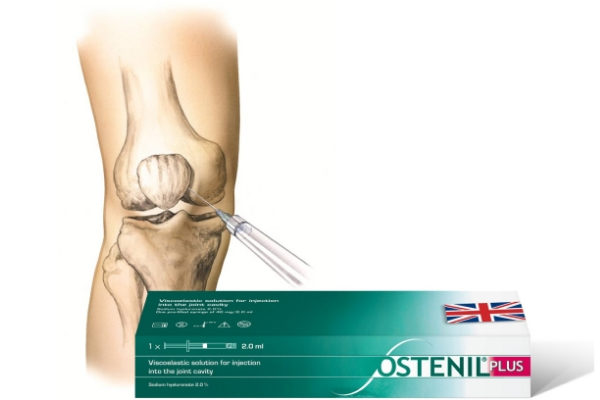
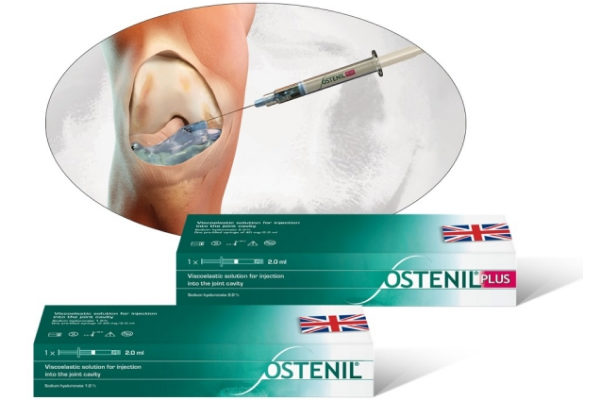
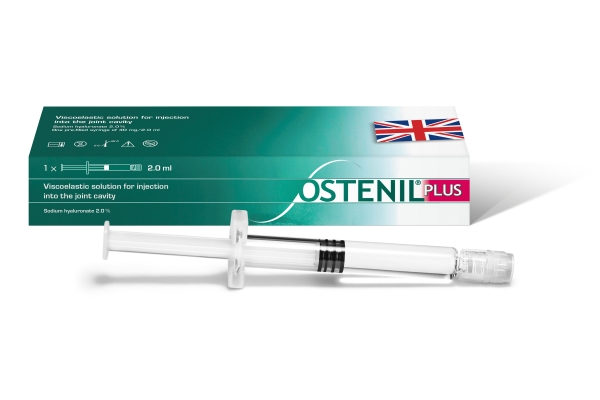
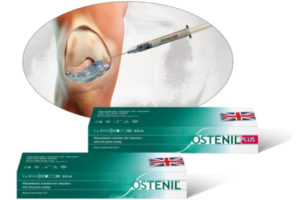
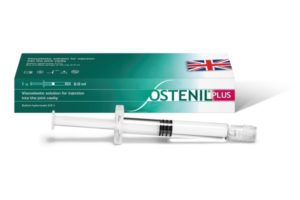
Ostenil Plus is a solution containing hyaluronic acid which is the key component of synovial fluid which is the substance found in our joints that naturally protects the joint surfaces where the bones meet. It has been developed specifically for the treatment of osteoarthritis and helps to decrease pain and stiffness and improve the other symptoms commonly associated with osteoarthritis. It is administered as a single injection by a qualified clinician using aseptic techniques.
What joints are suitable for Ostenil Plus Injection?
Ostenil Plus can be used in any synovial joint (see information on osteoarthritis and synovial joints below). Most typically the knee, hip or shoulder joints but it is also suitable for the ankle, elbow and some of the smaller joints.
Booking and Cost of Ostenil Plus Injection Near Abingdon
To book an Ostenil injection call our normal reception 0118 934 4055 and ask to book an appointment for an injection close to Abingdon. Or Book online.
If on the day the decision is made not to proceed with the injection you will only be charged the normal clinic assessment fee.
OSTENIL® PLUS Injection cost near Abingdon:
- Single injection: £350.00
- Two injections: £675.00
Frequently Asked Questions
Please don’t hesitate to get in touch if you have any further or more specific queries – our receptionists will be only to pleased to help!
Is there any evidence that Ostenil Plus works?
The Cochrane Review is internationally recognised as the benchmark for high quality information about the effectiveness of healthcare, including interventions for prevention, treatment and rehabilitation. Their review of the use of viscosupplementation for the treatment of osteoarthritis of the knee supports the use of HA (hyaluronic acid) products in the treatment of mild to moderate osteoarthritis of the knee.
Read the Cochrane Review in detail.
There are many clinical studies supporting the use of hyaluronic acid in various joints affected by osteoarthritis.
Does Ostenil Plus have any side effects?
Ostenil Plus has been extensively tested and has not been found to have any serious side effects. As it does not contain any animal proteins it is unlikely to cause an allergic reaction.
How often should I have an Ostenil Plus injection?
When the effects of your injection begin to wear off you are able to have another injection, typically this would be every 4-6 months.
How long will the effects of Ostenil Plus injection last?
Although you may not feel the benefit of the injection straight away, your pain and stiffness should gradually ease over the weeks following the injection and the improvement in your symptoms should last for several months.
Is Ostenil Plus suitable for me?
You should always consult a qualified clinician, your GP, Physiotherapist or Consultant. Nobody else is qualified to give you medical advice.
What conditions are typically treated with facet joint injections?
Facet joint injections are often used to help manage discomfort from arthritis, inflammation, or injury in the facet joints. These injections may also be beneficial for individuals experiencing chronic neck, upper back, or lower back pain related to the spine’s joint structures.
How long does a facet joint injection procedure take?
The procedure usually takes around 15-30 minutes, although the total time may vary depending on individual circumstances. This includes preparation, the injection process, and a brief observation period following the procedure.
Are facet joint injections painful?
A local anaesthetic is often applied to the injection area, which can help minimise discomfort during the procedure. Some individuals may feel slight pressure during the injection, but the overall procedure is typically well-tolerated.
How long do hyaluronic acid injections last?
Relief commonly lasts between 6 and 12 months, though individual results vary.
Are hyaluronic acid injections painful?
Most patients experience minimal discomfort. Ultrasound guidance improves accuracy and comfort during the procedure.
Are these injections suitable for severe arthritis?
They are most effective in mild to moderate osteoarthritis. Severe joint degeneration may respond differently, and your clinician will advise accordingly.
How are hyaluronic acid injections different from steroid injections?
Steroid injections reduce inflammation quickly. Hyaluronic acid injections improve joint lubrication and cushioning over time, often providing longer-lasting functional improvement.
Can I have repeat hyaluronic acid injections?
Yes. Repeat injections may be considered if symptoms return and the initial treatment was effective.
Is ultrasound guidance necessary?
Ultrasound guidance ensures accurate needle placement within the joint, improving safety and treatment effectiveness.
Osteoarthritis Treatment Near Abingdon
What is Osteoarthritis?
Osteoarthritis is a degenerative disease that causes pain and stiffness in the joints. It is the most common type of arthritis in the UK. Joints are exposed to a constant low level of damage in everyday life and usually the body simply repairs itself. With osteoarthritis however the protective cartilage that protects the end of the bone breaks down faster than they are repaired, causing pain, swelling and stiffness when moving a joint.
The exact causes are not known but several factors are thought to increase your risk of developing osteoarthritis, including:
- Joint injury and or overusing a joint when it has not had enough time to heal after injury or surgery.
- Other conditions (secondary arthritis) – osteoarthritis can happen in joints severely damaged by a previous or existing condition, such as rheumatoid arthritis or gout.
- Age – your risk of developing osteoarthritis increases as you get older.
- Family history – osteoarthritis may run in families, although studies have not identified a single gene responsible.
- Obesity – being overweight puts excess strain on your joints especially those that bear the most weight such as your hips and knees and feet.
- Being a woman – osteoarthritis is more common in women than men.
Almost any joint can be affected by osteoarthritis but the condition most often causes problems in the hips and knees and in the small joints of the wrist and hand.
Three Stages of Osteoarthritis
- The early signs of osteoarthritis are often a slight stiffness after a period of immobility such as first thing in the morning or after you have sat for a while.
- In the middle phase the joint will become increasingly stiff and more painful when trying to move it
- In the final phase the joint may become inflamed and can be painful even at rest.
Treating Osteoarthritis in Abingdon
Osteoarthritis is a chronic condition for which there is currently no cure. However, there are several simple methods of slowing down the progress and helping to control and even improve the condition.
In the early stages of the condition regular low impact exercise such as walking weight control, suitable footwear and specialised braces to support and protect the joint can be helpful.
Ostenil is one of the medications available to help control the symptoms of osteoarthritis. In addition to physiotherapy in Abingdon it can improve pain, swelling and improve range of motion at the joint so enabling the individual to remain more active and maintain muscle strength.
If you think you may have osteoarthritis, we advise you consult a specialist physiotherapist close to Abingdon who can advise you on the best course of treatment for you.
Synovial Joint
A synovial joint is one that allows for movement such as the shoulder, hip and knee. Where the bones meet the surface is covered with a layer of cartilage and a thin layer of synovial fluid that separates and lubricates the two surfaces of the joint protecting the cartilage form wear and tear. The most important component of synovial fluid is hyaluronic acid.
In healthy joint there is a balance between the breakdown of the hyaluronic acid and the production of new. In osteoarthritis the breakdown exceeds production, which leads to a lack of hyaluronic acid. When this occurs the synovial fluid stops functioning effectively so causing the cartilage and bone to wear down more. This results in the symptoms of pain, swelling and stiffness associated with osteoarthritis.








Book your Injection Therapy today – call 0118 934 4055 Book now